Fatty Liver? This Science-Backed Reset Changed My Daily Energy and Wellness
Living with fatty liver doesn’t mean living with fatigue, brain fog, or constant doctor visits. I know because I’ve been there—staring at blood work, feeling sluggish, and wondering how to reclaim my vitality. The good news? Small, science-supported changes in how I eat, move, and sleep didn’t just improve my liver health—they transformed my everyday life. This isn’t about extreme diets or magic pills. It’s about practical, sustainable shifts that support your liver and boost your overall quality of life. Always consult your doctor, but know this: you’re not powerless.
The Silent Alarm: Understanding Fatty Liver in Everyday Life
Non-alcoholic fatty liver disease, or NAFLD, is a condition where excess fat builds up in the liver, not due to heavy alcohol use. It’s more common than many realize, affecting millions of adults worldwide, including those who appear healthy at first glance. Often, there are no clear symptoms in the early stages, making it a silent but serious health concern. Many people discover they have fatty liver only after routine blood tests show elevated liver enzymes or an ultrasound reveals fat accumulation. Because it progresses quietly, it can go unnoticed for years, silently affecting metabolic health.
One of the most misunderstood aspects of NAFLD is that it doesn’t only affect individuals who are visibly overweight or older. Women in their 30s and 40s, even those with a normal body weight, can develop fatty liver—especially if they carry extra weight around the abdomen or have insulin resistance. A busy lifestyle, long hours at a desk, and frequent consumption of processed foods all contribute to this growing issue. Consider a woman juggling work, family, and household responsibilities, eating on the go, skipping meals, then overeating at night. She may not feel sick, but internally, her liver could be struggling to keep up with the metabolic load.
Risk factors for fatty liver include high blood sugar, elevated triglycerides, and high blood pressure—all components of metabolic syndrome. But even one factor, such as consistently high insulin levels, can begin to impact liver function over time. Genetics may play a role, but lifestyle choices remain the most powerful influence. The encouraging truth is that early-stage fatty liver is often reversible with the right changes. The key is recognizing it early, understanding the triggers, and taking gentle but consistent action before complications arise.
Why Your Liver Matters More Than You Think
The liver is not just another organ—it’s the body’s central command center for metabolism, detoxification, and energy regulation. It processes nutrients from food, filters out toxins, produces bile for digestion, and helps balance hormones and blood sugar levels. When the liver becomes overloaded with fat, its ability to perform these vital tasks diminishes. Think of it like a kitchen that’s become cluttered and inefficient—meals take longer to prepare, spills go uncleaned, and the whole household feels the strain.
When liver function declines, the effects ripple through daily life. You might notice persistent fatigue, even after a full night’s sleep. Brain fog—difficulty concentrating or remembering simple things—can become a regular frustration. Digestive discomfort, bloating, and irregular bowel movements may increase. Some women also report changes in skin health, such as dullness or occasional breakouts, which can be linked to the liver’s reduced ability to manage toxins and hormonal byproducts.
Beyond physical symptoms, liver health influences mood and emotional balance. The liver helps regulate neurotransmitters and clears excess stress hormones like cortisol. When it’s overburdened, the body may struggle to maintain emotional equilibrium, leading to irritability or low mood. Many people dismiss these signs as part of aging or stress, not realizing they may stem from an underlying metabolic issue. Improving liver function isn’t just about preventing disease—it’s about reclaiming energy, clarity, and a sense of well-being that makes daily life feel more manageable and joyful.
Debunking Myths: What Science Really Says About Reversal
One of the most discouraging myths about fatty liver is that it’s irreversible—that once the damage is done, it can’t be undone. This belief can leave people feeling helpless, especially when they first receive a diagnosis. But research consistently shows that early-stage NAFLD is highly responsive to lifestyle changes. The liver is uniquely regenerative; given the right conditions, it can repair itself over time. The goal isn’t perfection but progress—reducing fat accumulation, improving enzyme levels, and supporting metabolic health.
Another common misconception is that reversing fatty liver requires extreme measures: crash diets, complete sugar elimination, or intense daily workouts. While dedication helps, sustainability matters more. Studies indicate that even modest weight loss—between 5% and 10% of body weight—can lead to significant reductions in liver fat. More importantly, gradual changes that can be maintained long-term are more effective than short-lived, restrictive regimens that often lead to burnout and rebound weight gain.
Some also believe that medication is the only real solution. While certain drugs are being studied for advanced cases, no medication has been universally approved for reversing early fatty liver. Instead, the most effective approach remains lifestyle-based: balanced nutrition, regular movement, and stress management. These strategies work with the body’s natural processes, not against them. The science supports a compassionate, consistent effort—small shifts that add up to meaningful change over time. You don’t need to be perfect; you just need to be persistent.
Food That Fuels Recovery: What I Actually Changed
When I first learned about my liver health, I felt overwhelmed by conflicting diet advice. Should I go keto? Cut all carbs? Fast every other day? Instead of jumping into extremes, I focused on sustainable, science-backed patterns. The most impactful change was reducing added sugars and refined carbohydrates. This meant cutting back on sugary drinks, white bread, pastries, and packaged snacks—foods that spike blood sugar and contribute directly to liver fat storage.
I began replacing sugary beverages with water, herbal teas, and occasional sparkling water with a splash of lemon. Instead of reaching for crackers or chips in the afternoon, I chose sliced vegetables with hummus or a small handful of nuts. At meals, I shifted from refined grains like white rice and pasta to whole grains such as quinoa, brown rice, and oats. These foods are rich in fiber, which helps stabilize blood sugar and supports healthy digestion. I also increased my intake of colorful vegetables—leafy greens, broccoli, carrots, and bell peppers—filling half my plate with plant-based foods at every meal.
Healthy fats became a key part of my eating pattern. I used olive oil for cooking and dressings, added avocado to salads, and included fatty fish like salmon a few times a week. These fats support cell function and reduce inflammation, unlike the processed vegetable oils and trans fats found in many packaged foods. I also made a habit of eating regular, balanced meals to avoid blood sugar crashes that lead to overeating later. Eating mindfully—slowly, without distractions—helped me tune into my body’s hunger and fullness cues.
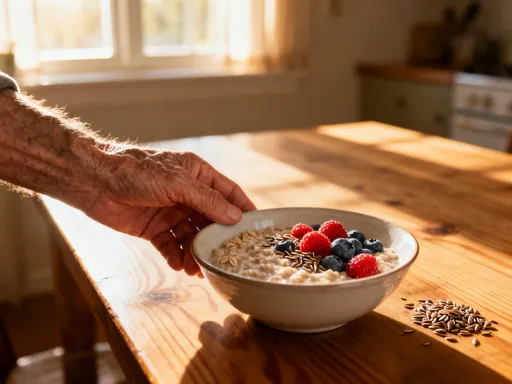
One of the most helpful strategies was making simple swaps that didn’t feel like deprivation. For example, I replaced my morning muffin with a bowl of oatmeal topped with berries and a sprinkle of chia seeds. For dinner, I swapped buttery mashed potatoes for mashed cauliflower mixed with garlic and olive oil. These changes didn’t feel restrictive; they felt like upgrades. Over time, my energy improved, and I noticed I wasn’t reaching for snacks out of habit or stress. Food became fuel, not a source of guilt.
Movement as Medicine: Simple Routines That Worked for Me
Exercise used to feel like another chore on my to-do list—something I knew was good for me but struggled to stick with. When I learned how movement directly supports liver health, my perspective shifted. Physical activity improves insulin sensitivity, which means the body can process sugar more efficiently, reducing the amount stored as fat in the liver. It also helps burn excess fat, including the kind that accumulates in organs.
I started small. Instead of aiming for an hour at the gym, I committed to a 15-minute walk after dinner. Those short strolls made a noticeable difference—not just in my digestion, but in my mood and energy levels. Over time, I extended them to 30 minutes and began taking brisk walks in the morning as well. Walking is accessible, low-impact, and doesn’t require special equipment or a gym membership. It’s also a great way to clear your mind after a long day.
In addition to walking, I incorporated simple strength training at home. Using light dumbbells and resistance bands, I did exercises like squats, lunges, and shoulder presses two to three times a week. Building muscle increases the body’s metabolic rate, helping it burn more calories even at rest. I didn’t push myself to exhaustion—consistency mattered more than intensity. On days when I felt tired, I did gentle stretching or yoga instead. The goal was to stay active most days, not to achieve peak performance.
One of the most effective habits was moving after meals. A short walk after eating helps lower blood sugar spikes, which reduces the burden on the liver. I found that even 10 minutes around the block made me feel lighter and more alert. Over time, these small routines became part of my daily rhythm. I wasn’t training for a marathon—I was building a lifestyle that supported my health in realistic, sustainable ways.
Sleep, Stress, and the Hidden Triggers
At first, I didn’t connect my sleep and stress levels to my liver health. But the science is clear: chronic stress and poor sleep quality can worsen fatty liver. When we’re stressed, the body releases cortisol, a hormone that increases blood sugar and promotes fat storage, especially in the abdominal area and liver. Over time, elevated cortisol disrupts metabolism and contributes to insulin resistance—a key driver of NAFLD.
Lack of sleep compounds the problem. When we don’t get enough rest, hunger hormones shift, increasing cravings for sugary, high-carb foods. We also have less energy to exercise and make healthy choices the next day. It becomes a cycle: poor sleep leads to poor food choices, which affect liver health, which in turn can disrupt sleep further. I realized I was caught in this loop—staying up late to finish tasks, then relying on coffee and snacks to get through the next day.
To break the pattern, I prioritized sleep like I would a doctor’s appointment. I aimed for 7 to 8 hours each night and created a calming bedtime routine: turning off screens an hour before bed, reading a book, and drinking a cup of caffeine-free herbal tea. I also began practicing deep breathing exercises when I felt overwhelmed. Just five minutes of slow, intentional breathing helped calm my nervous system and reduce the physical tension of stress.
Setting boundaries with technology made a big difference. I stopped checking emails and social media after 8 p.m. and kept my phone out of the bedroom. These small changes improved both my sleep quality and my ability to manage daily stress. As my rest improved, I noticed my energy was more stable, my cravings decreased, and I felt more in control of my choices. Better sleep didn’t just help my liver—it improved my entire quality of life.
Tracking Progress Without Obsession
When I first started making changes, I wanted to see fast results. I weighed myself daily and checked every food label like a detective. But this level of scrutiny only increased my stress and made the process feel like a punishment. Over time, I learned to focus on non-scale victories—signs that my body was responding in positive ways. I noticed I had more energy in the afternoons, could walk up stairs without getting winded, and felt less bloated after meals. My skin looked clearer, and I was sleeping more soundly.
Instead of fixating on numbers, I began paying attention to how I felt. Did I wake up feeling rested? Was I able to focus at work? Could I enjoy time with my family without feeling drained? These were the real indicators of progress. I also continued to see my doctor for regular blood work, tracking trends in liver enzymes, blood sugar, and cholesterol. Seeing those numbers improve over several months was encouraging, but I reminded myself that healing takes time.
I avoided obsessive tracking but stayed mindful. I didn’t count every calorie or measure every portion, but I remained aware of my habits. If I had a busy week and fell off my routine, I didn’t judge myself. I simply returned to my healthy patterns the next day. Progress isn’t linear, and setbacks are normal. What matters is the overall direction—not perfection, but persistence.
A Healthier Liver, A Fuller Life
Managing fatty liver isn’t about drastic overhauls or short-term fixes. It’s about making thoughtful, science-backed choices that support your body’s natural ability to heal. The changes I made—eating more whole foods, moving regularly, sleeping better, and managing stress—didn’t just improve my liver tests. They transformed how I feel every day. I have more energy, mental clarity, and resilience. I’m more present with my family, more engaged at work, and more at peace with myself.
Liver health is deeply connected to overall well-being. When we care for this vital organ, we’re not just preventing disease—we’re enhancing life. The journey isn’t about following a rigid plan or achieving a certain number on a scale. It’s about building sustainable habits that fit into real life. It’s about choosing water over soda, walking after dinner, turning off screens before bed, and being kind to yourself when you slip up.
Every small decision adds up. And while medical guidance is essential, you are not powerless. You have the ability to influence your health in meaningful ways. Start where you are. Use what you have. Do what you can. With patience, consistency, and self-compassion, you can support your liver, boost your energy, and create a healthier, fuller life—one day at a time.