How I Found Balance Through Real Chinese Wellness—No Hype, Just Results
For years, I chased quick fixes—detox teas, extreme diets, trendy workouts—but nothing lasted. Then I discovered zhong yi tiao li: the quiet, steady art of Chinese body balancing. No magic, no miracles—just paying attention. This isn’t about curing disease; it’s about listening to your body, adjusting habits, and working with your nature, not against it. What I learned changed how I sleep, eat, and feel every single day. Here’s what actually works—backed by tradition, tested by life.
What Is Chinese Body Balancing—and Why It’s Not Just “Alternative Medicine”?
At its core, Chinese body balancing—known in Mandarin as zhong yi tiao li—is a time-tested system of maintaining harmony within the body’s natural functions. It does not seek to replace modern medicine but to complement it by focusing on prevention, daily rhythms, and subtle shifts in energy. Unlike Western approaches that often target isolated symptoms, this tradition asks a deeper question: What is causing the imbalance in the first place? For example, instead of reaching for caffeine when tired, it encourages understanding whether poor sleep, diet, or emotional stress is draining the body’s reserves.
The framework of Chinese wellness is built on foundational concepts like Qi (vital energy), Yin and Yang (opposing yet complementary forces), and the Five Elements (Wood, Fire, Earth, Metal, Water). These are not mystical beliefs but practical metaphors for understanding how systems interact. Qi is like the body’s electrical current—when it flows smoothly, we feel alert and resilient; when it stagnates, we may feel sluggish or tense. Yin represents rest, nourishment, and cooling functions; Yang stands for activity, warmth, and transformation. Balance between the two supports stable energy, good digestion, and emotional calm.
The Five Elements offer another layer of insight, linking body organs, emotions, seasons, and even colors into a dynamic map of interdependence. For instance, the Liver (associated with the Wood element) governs smooth flow—of blood, emotions, and decision-making. When out of balance, it may contribute to irritability or menstrual discomfort. The Spleen (Earth element) manages digestion and mental focus; when weakened, it can lead to bloating or mental fog. These connections help identify patterns before they become serious health issues.
It is important to clarify that this system is not a rejection of science or clinical care. Rather, it offers a different lens—one that values observation, rhythm, and individual constitution. Think of it like tuning a musical instrument. You don’t replace the violin because it’s slightly out of tune; you adjust the strings. In the same way, zhong yi tiao li helps you fine-tune your daily life so your body can function at its best, naturally.
The Hidden Imbalance: Why You Feel “Off” Even When Tests Say You’re Fine
Many women between 30 and 55 know this feeling: you’re not sick, but you’re not truly well. Blood tests come back normal, yet you wake up exhausted, struggle with bloating, or feel emotionally fragile. This state—often called “sub-health”—is widely recognized in Chinese preventive medicine. It describes the gray zone between wellness and illness, where the body is sending signals that something is out of alignment, even if no disease has yet developed.
Western medicine typically intervenes when measurable pathology appears—a diagnosis of hypertension, diabetes, or clinical depression. But Chinese wellness focuses earlier, on the whispers before the shouts. A slight chill in the hands, frequent sighing, afternoon fatigue, or irregular digestion are not dismissed as minor inconveniences. They are seen as clues. For example, persistent tiredness after meals may point to weakened Spleen Qi, which in Chinese terms governs digestion and energy production. Waking between 1 a.m. and 3 a.m. could suggest Liver Qi stagnation, often linked to unexpressed stress or frustration.
Lifestyle plays a major role in these subtle imbalances. Irregular eating times, chronic stress, lack of rest, and emotional suppression gradually wear down the body’s resilience. Consider the woman who skips breakfast to get the kids to school, eats lunch at her desk, and unwinds with wine in the evening. Over time, this pattern can weaken digestive fire, disrupt sleep cycles, and burden the Liver’s ability to process both toxins and emotions. The body adapts—until it can’t.
The power of Chinese body balancing lies in its attention to these early warnings. It teaches you to notice patterns: Do you feel worse after eating raw foods? Does your mood dip when the weather turns damp? Are you more anxious during spring, the season of the Liver? By tuning into these rhythms, you gain the ability to make small corrections before larger problems take root. This is not about fear or self-diagnosis, but about cultivating awareness—a quiet partnership with your body.
Food as Daily Medicine: Eating According to Your Body, Not Just Calories
In Chinese wellness, food is not just fuel—it is daily medicine. The focus is not on counting calories or macros, but on how food affects your energy, digestion, and emotional state. This approach, known as “food energetics,” considers the thermal nature of foods (warming, cooling, neutral), their seasonal appropriateness, and the timing of meals. A salad may be low in calories, but if eaten daily in winter, it could slow digestion and contribute to fatigue—especially in someone with a naturally cool constitution.
The Spleen, in Chinese medicine, is responsible for transforming food into usable energy. It thrives on warm, cooked, easily digestible meals. Think of it like a gentle fire: it needs dry, kindling-sized fuel, not wet logs. Cold foods, iced drinks, and excessive raw vegetables can dampen this digestive fire, leading to bloating, loose stools, or post-meal fatigue. Instead, warm porridges, soups, and steamed vegetables support Spleen function and promote steady energy throughout the day.
Seasonal eating is another key principle. Winter calls for warming, nourishing foods like stews, root vegetables, and small amounts of healthy animal protein. Summer, with its natural heat, allows for more cooling foods like cucumbers, melons, and leafy greens—best eaten in moderation. Ginger, cinnamon, and garlic are warming spices that support circulation and digestion, especially in colder months. Conversely, mint, celery, and watermelon have cooling properties that can help during hot weather or for those who tend to feel overheated.
Meal timing also matters. The stomach’s Qi is strongest between 7 a.m. and 9 a.m., making breakfast a crucial meal for energy production. Skipping it can weaken digestive function over time. Similarly, eating late at night forces the digestive system to work when the body should be winding down, potentially disrupting sleep and contributing to weight retention. A simple practice—eating the largest meal at lunch and keeping dinner light—aligns with the body’s natural rhythm and supports better digestion and rest.
Rhythm Over Intensity: Why Daily Habits Beat Extreme Fixes
In a culture that glorifies busyness and intense workouts, the Chinese concept of yang sheng—nurturing life—offers a different path. It values consistency over intensity, gentle effort over exhaustion. Instead of weekend boot camps or punishing fitness regimes, it promotes small, sustainable practices that support long-term vitality. The goal is not to burn out, but to build resilience through rhythm.
Moderate movement is central to this approach. Walking, tai chi, and qigong are not just exercises—they are moving meditations that cultivate Qi flow and reduce stress. A 20- to 30-minute walk after dinner, for example, gently stimulates digestion and calms the mind. Tai chi, with its slow, flowing movements, improves balance, coordination, and mental focus while being gentle on the joints. Qigong practices often combine breath, movement, and intention to harmonize body and mind, making them ideal for women managing busy households and emotional demands.
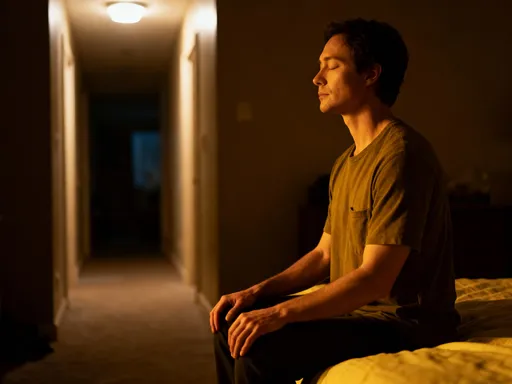
Rest is equally important. In Chinese medicine, nighttime sleep—especially between 11 p.m. and 3 a.m.—is when the body detoxifies and repairs. The Liver, which processes both physical and emotional toxins, is most active during these hours. Going to bed late or experiencing restless sleep can impair this process, leading to fatigue, irritability, and hormonal imbalances. Creating a calming evening routine—dimming lights, avoiding screens, sipping herbal tea—supports the body’s natural wind-down process.
The beauty of rhythm-based wellness is that it fits into real life. You don’t need a gym membership or hours of free time. Five minutes of deep breathing, a short walk, or a warm foot soak can make a meaningful difference when done consistently. These small acts accumulate, like drops filling a bucket. Over time, they build a foundation of calm, energy, and resilience that no extreme fix can match.
Emotions and Energy: How Stress Shows Up in Your Body
One of the most profound insights of Chinese wellness is the deep connection between emotions and physical health. Emotions are not seen as separate from the body—they are part of its language. When emotions are unexpressed or chronic, they can disrupt the flow of Qi and affect organ function. This is not about blaming yourself for feeling stressed, but about recognizing how emotional patterns can become physical habits.
For example, the Liver is closely tied to anger, frustration, and decision-making. When life feels overwhelming or choices are blocked, Liver Qi can become stagnant. This may show up as tension headaches, shoulder tightness, irregular periods, or digestive discomfort. Similarly, the Spleen, which governs digestion and mental focus, is affected by overthinking and worry. Chronic mental strain—like ruminating on problems or feeling constantly behind—can weaken Spleen Qi, leading to fatigue, poor concentration, and bloating.
The Heart, associated with joy and sleep, can be disturbed by excessive excitement, grief, or emotional shock. This may contribute to insomnia, palpitations, or anxiety. The Lungs, linked to grief and letting go, may be affected by unresolved sadness, potentially leading to shallow breathing or low immunity. And the Kidneys, which store vital essence and support willpower, can be depleted by fear, overwork, or lack of rest, resulting in low energy, lower back discomfort, or frequent urination.
The good news is that awareness breaks the cycle. Simply noticing your emotional state—without judgment—can prevent it from becoming physical imbalance. A few deep breaths when frustrated, a short pause before reacting, or journaling at the end of the day can help release emotional buildup. Practices like qigong and meditation support emotional regulation by calming the nervous system and restoring Qi flow. Over time, you learn to respond rather than react, protecting your body from the wear and tear of chronic stress.
Simple Daily Moves: Easy Practices You Can Actually Stick With
The most effective wellness practices are the ones you can do every day—without special equipment, extra time, or perfection. Chinese tradition offers several simple habits that support balance and can easily become part of your routine. These are not quick fixes, but gentle tools that, over time, help your body reset and recharge.
Abdominal breathing is one of the most powerful. Also known as diaphragmatic breathing, it activates the parasympathetic nervous system, promoting relaxation and digestion. To practice, place one hand on your chest and one on your belly. Breathe in slowly through your nose, letting your abdomen rise while keeping your chest still. Exhale fully through your mouth. Just five minutes in the morning or before bed can reduce stress and improve sleep quality.
Self-massage is another accessible practice. Rubbing the ears for one to two minutes stimulates reflex points linked to organs and can help regulate blood pressure and digestion. Similarly, massaging the soles of the feet—especially the area just below the ball of the foot—can support Kidney function and promote relaxation. Using a small ball or your thumbs, apply gentle pressure in circular motions.
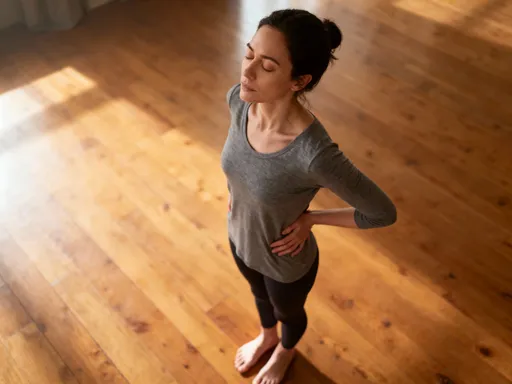
Gentle stretching, especially in the morning or after sitting for long periods, keeps Qi flowing and prevents stiffness. Focus on the neck, shoulders, and lower back—common areas of tension. Try simple neck rolls, shoulder shrugs, or a seated forward bend. Pair each movement with slow breath to enhance the effect.
Finally, drinking warm water first thing in the morning helps awaken digestion, flush toxins, and hydrate the body gently. Unlike ice water, which can shock the digestive system, warm water supports Spleen Qi and promotes smooth elimination. Add a slice of lemon or ginger for extra digestive support, but keep it simple. These small acts, done with intention, become daily acts of care.
When to Seek Help: Blending Tradition and Modern Care
While self-care is powerful, it has its limits. Chinese wellness does not discourage medical care—in fact, it encourages a balanced approach. If symptoms persist—such as chronic pain, severe fatigue, or digestive disorders—it is important to consult a licensed healthcare provider. Blood tests, imaging, and professional diagnosis are essential for identifying serious conditions that require medical intervention.
At the same time, licensed practitioners of Traditional Chinese Medicine (TCM)—such as registered acupuncturists or TCM doctors—can offer valuable support for functional imbalances, stress-related issues, and preventive care. Acupuncture, herbal medicine, and dietary counseling are evidence-informed practices that have helped millions manage conditions like insomnia, menstrual irregularities, and mild anxiety. These should be used not as replacements, but as complements to conventional care.
It is important to avoid self-diagnosis or relying on unverified online sources. Wellness trends may oversimplify complex traditions, leading to confusion or misuse. For example, taking herbs without guidance can interfere with medications or worsen underlying conditions. Always seek care from qualified professionals who understand both traditional principles and modern health science.
The goal is integration: using Chinese wellness to support daily balance, prevent burnout, and enhance quality of life, while trusting modern medicine for diagnosis and treatment. This balanced approach empowers you to make informed choices—honoring your body’s wisdom without abandoning scientific care.
True wellness isn’t about perfection—it’s about returning to balance, again and again. Chinese body regulation taught me to listen, adjust, and care for myself with patience. These aren’t quick fixes, but lifelong tools. Start small. Stay consistent. And let your body thank you.