How I Healed My Body During Pregnancy — A Real Talk on Post-Baby Recovery
Pregnancy changes your body in ways no one fully prepares you for. I remember staring at my reflection, wondering how to regain strength and balance after carrying my baby. It wasn’t just about losing weight—it was deeper. My joints ached, my energy dipped, and my core felt broken. But through gentle, science-backed healing methods, I slowly rebuilt. This is a real talk on how prenatal care evolved into post-baby body restoration, and why healing—not rushing—is the true foundation of wellness for new moms.
The Hidden Toll of Pregnancy on the Body
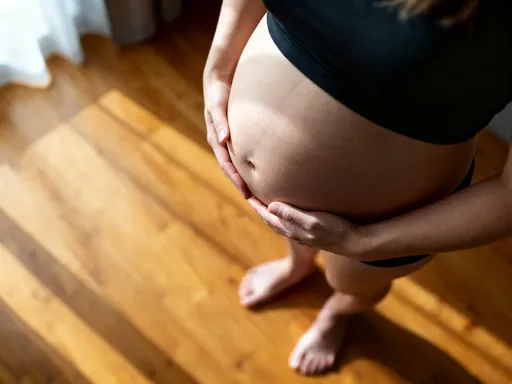
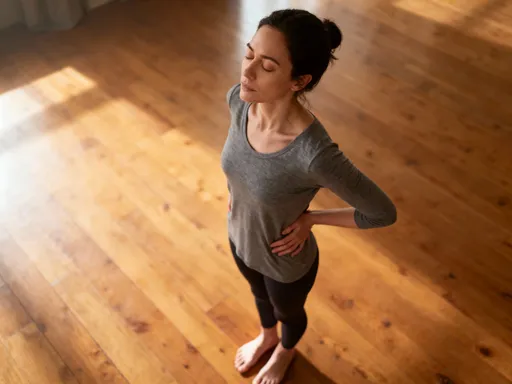
Pregnancy is a miraculous process, but it places significant physical demands on a woman’s body. From the first trimester to delivery, internal systems adapt in profound ways. Hormonal shifts, particularly increases in relaxin and progesterone, prepare the body for childbirth by softening ligaments and relaxing connective tissues. While essential, these changes can lead to joint instability, especially in the pelvis and lower back. As the uterus expands, the center of gravity shifts forward, altering posture and placing strain on the spine and supporting muscles.
One of the most overlooked physical challenges during pregnancy is the impact on the abdominal wall. As the baby grows, the rectus abdominis muscles—the “six-pack” muscles—can separate along the midline, a condition known as diastasis recti. This separation is common, affecting up to two-thirds of pregnant individuals, yet it often goes undiagnosed until after delivery. Similarly, the pelvic floor muscles, which support the bladder, uterus, and bowels, endure continuous pressure. This can result in weakness, reduced tone, and even dysfunction, though symptoms may not appear immediately.
Another hidden toll is the metabolic and circulatory load. Blood volume increases by nearly 50%, and the heart works harder to pump this additional fluid. Fatigue is not merely emotional—it is physiological. Many women experience a decline in core strength and endurance, making daily movements more taxing. These changes are normal, but they underscore a critical point: recovery should not begin after birth. True postpartum wellness starts during pregnancy, with mindful preparation. Engaging in gentle movement, learning proper breathing techniques, and building body awareness can lay the foundation for a smoother recovery. Recognizing these physical stressors early allows for proactive care, reducing the risk of long-term complications. Always consult your doctor if you notice persistent pain, unusual swelling, or signs of pelvic floor dysfunction during pregnancy.
Reframing Postpartum: From Bouncing Back to Healing Forward
The cultural narrative around postpartum recovery often emphasizes speed—“bouncing back” into pre-pregnancy clothes, resuming intense workouts, or returning to work within weeks. This expectation, while well-intentioned, can be misleading and even harmful. The truth is, the postpartum period is not a race. It is a time of profound physiological transition, during which the body needs space, rest, and intentional care to heal. Shifting from a mindset of performance to one of restoration is essential for long-term health.
The myth of “snapping back” stems from unrealistic standards often portrayed in media. These images rarely reflect the real experiences of most mothers, who face fatigue, hormonal fluctuations, and physical discomfort. Rushing recovery can lead to setbacks, including prolonged pain, weakened pelvic floor function, and emotional distress. Research shows that returning to high-impact exercise too soon after delivery increases the risk of pelvic organ prolapse and diastasis recti worsening. The body needs time to reestablish muscle tone, hormonal balance, and connective tissue integrity.
A healing-forward approach prioritizes patience and self-awareness. It acknowledges that every body recovers differently. For some, healing may take weeks; for others, it may take months. This non-linear process is not a failure—it is normal. Embracing this mindset reduces pressure and fosters resilience. Instead of focusing on appearance, the emphasis shifts to function: Can you lift your baby without pain? Do you feel strong when walking up stairs? Are you sleeping more deeply? These are more meaningful indicators of progress than a number on the scale.
Healing forward also means honoring emotional recovery. The postpartum period is marked by hormonal shifts that can affect mood and energy. Feelings of overwhelm, sadness, or detachment are common and should not be dismissed. Integrating mental well-being into physical recovery creates a more holistic path to wellness. Support from healthcare providers, partners, and community groups can make a significant difference. By redefining success as sustainable healing rather than rapid transformation, mothers can build a stronger, more compassionate relationship with their bodies.
Core Repair: Closing the Gap, Rebuilding Strength
One of the most significant physical changes during pregnancy is diastasis recti, the separation of the abdominal muscles along the linea alba, the connective tissue running down the center of the abdomen. This condition affects a large percentage of pregnant women, especially in the third trimester. While some degree of separation is a natural adaptation to accommodate a growing baby, excessive or persistent diastasis can lead to core instability, lower back pain, and poor posture. Understanding this condition is the first step toward effective recovery.
Diastasis recti occurs when the growing uterus exerts outward pressure on the abdominal wall, causing the rectus muscles to stretch and separate. Factors such as multiple pregnancies, carrying a larger baby, or excessive weight gain can increase the likelihood. It is important to note that diastasis is not a tear or injury—it is a stretching of tissue. However, without proper rehabilitation, the gap may not close fully, leading to long-term functional issues. A gap of more than two finger-widths is typically considered clinically significant, though assessment should be done with guidance from a healthcare professional.
Healing begins with gentle, targeted strategies that promote tissue remodeling and muscle reconnection. One of the most effective tools is diaphragmatic breathing, also known as belly breathing. This technique engages the deep core muscles, including the transverse abdominis, which acts like a natural corset. Practicing coordinated breathwork—inhaling to expand the belly, exhaling to gently draw the muscles inward—helps retrain the core without strain. This should be done daily, starting in the early postpartum weeks, even while lying in bed.
Progressive core engagement is the next phase. Simple movements like pelvic tilts and heel slides can be introduced once cleared by a healthcare provider. These exercises promote awareness and control without placing excessive load on the abdominal wall. It is crucial to avoid traditional crunches, sit-ups, or planks in the early stages, as these can increase intra-abdominal pressure and worsen separation. Instead, focus on isometric contractions and functional movements that support real-life activities.
Timing is critical. Rushing into advanced exercises can undo progress. Most experts recommend waiting at least six to eight weeks postpartum before beginning structured core rehabilitation, and longer if there are complications. A pelvic floor therapist or physical therapist specializing in women’s health can provide personalized guidance. With consistent, mindful practice, many women see significant improvement in core strength and function within three to six months. The goal is not a flat stomach, but a strong, supportive core that enhances daily life.
Pelvic Floor Recovery: The Unsung Hero of Post-Baby Healing
The pelvic floor is a group of muscles that form a supportive hammock at the base of the pelvis. These muscles play a vital role in bladder and bowel control, sexual function, and core stability. During pregnancy and childbirth, they endure tremendous stress. Whether delivery is vaginal or cesarean, the pelvic floor is affected. In vaginal births, stretching and potential tearing can occur. In cesarean deliveries, the muscles may still weaken due to hormonal changes and the weight of the growing uterus. Despite its importance, pelvic floor recovery is often overlooked in postpartum care.
Signs of pelvic floor dysfunction include urinary incontinence, difficulty controlling gas, a sensation of heaviness or pressure in the pelvis, and discomfort during intercourse. Many women assume these issues are normal after childbirth, but they are not something to simply “live with.” Left unaddressed, pelvic floor weakness can lead to chronic pain, prolapse, and reduced quality of life. The good news is that with proper care, most pelvic floor issues can improve significantly.
Pelvic floor physiotherapy is a highly effective, evidence-based approach to recovery. A trained therapist can assess muscle tone, strength, and coordination through internal and external evaluations. Treatment may include manual therapy, biofeedback, and personalized exercise programs. Kegel exercises—contractions of the pelvic floor muscles—are often recommended, but they must be done correctly. Many women inadvertently hold their breath, tighten their glutes, or bear down instead of lifting upward, which can worsen symptoms. A therapist ensures proper technique and progression.
Integration into daily life is key. Simple habits like engaging the pelvic floor before coughing, sneezing, or lifting can protect the muscles. Mindful toileting—avoiding straining and maintaining proper posture on the toilet—also supports healing. Some women benefit from using a squatty potty or footstool to optimize pelvic alignment. Consistency matters more than intensity. Even five minutes of focused pelvic floor work per day can yield meaningful results over time.
Healing the pelvic floor is not just about physical function—it is about reclaiming confidence and comfort. For many women, addressing these issues leads to improved self-esteem and a more positive body image. As with all aspects of postpartum recovery, patience and professional guidance are essential. Consult your doctor or a pelvic health specialist if you experience ongoing symptoms. Early intervention can prevent long-term complications and support a more complete recovery.
Movement That Supports, Not Strains: Postnatal Exercise Wisdom
Returning to physical activity after childbirth is an important part of recovery, but the type and timing of movement matter greatly. The goal is not to burn calories or achieve a certain look, but to restore strength, improve circulation, and support mental well-being. A phased approach—starting with rest and gradually increasing activity—is the safest and most effective strategy. This allows the body to adapt without risking injury or setbacks.
The first phase, lasting four to six weeks postpartum (or longer after a cesarean), should focus on rest and gentle mobility. Short walks around the house or neighborhood are excellent for promoting blood flow, reducing swelling, and supporting emotional health. These walks should be slow and mindful, with attention to posture and breathing. As energy improves, duration can increase, but intensity should remain low. The key is consistency, not distance or speed.
Restorative yoga and stretching can be introduced once cleared by a healthcare provider. These practices emphasize relaxation, alignment, and breath awareness. Poses like cat-cow, child’s pose, and supported bridge gently engage the core and pelvic floor without strain. Classes specifically designed for postnatal women are ideal, as they are tailored to the unique needs of this stage. Avoid hot yoga or vigorous flows, which can dehydrate and overtax the body.
Low-impact training becomes appropriate in the second phase, typically around 8 to 12 weeks postpartum, depending on individual recovery. This may include swimming, stationary cycling, or bodyweight exercises that emphasize form over load. Resistance bands and light weights can be used, but movements should be controlled and functional. Exercises that involve jumping, sudden twisting, or heavy lifting should be avoided until core and pelvic floor strength are well-established.
Listening to the body is perhaps the most important principle. Pain, excessive fatigue, or increased bleeding are signals to slow down. Women should not feel pressured to meet external benchmarks. Some days will feel stronger than others—that is normal. Progress is not linear. The ultimate goal is to move in ways that feel good and support overall health. Consulting a physical therapist or certified postnatal fitness specialist can provide personalized guidance and ensure safety. Movement, when done mindfully, becomes a form of self-care rather than a chore.
Nutrition as Nourishment: Fueling Repair from Within
Nutrition plays a foundational role in postpartum recovery. The body is engaged in continuous repair—rebuilding tissues, restoring hormonal balance, and, for many, producing breast milk. These processes require increased energy and specific nutrients. However, the postpartum period is not the time for restrictive dieting or rapid weight loss. Instead, the focus should be on nourishment: eating balanced, nutrient-dense foods that support healing without deprivation.
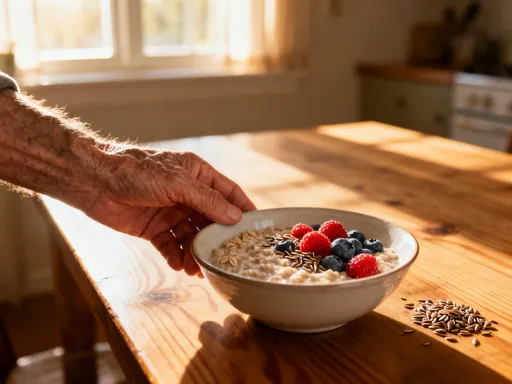
Protein is essential for tissue repair and muscle rebuilding. It also helps stabilize blood sugar, which can reduce mood swings and energy crashes. Good sources include lean meats, poultry, fish, eggs, legumes, tofu, and Greek yogurt. Including a source of protein with every meal and snack supports sustained energy and satiety. Omega-3 fatty acids, found in fatty fish, flaxseeds, and walnuts, support brain health and may help regulate mood, which is especially important during the hormonal fluctuations of the postpartum period.
Iron is another critical nutrient, particularly for women who experienced significant blood loss during delivery. Low iron levels can contribute to fatigue, weakness, and difficulty concentrating. Iron-rich foods include red meat, spinach, lentils, and fortified cereals. Pairing these with vitamin C-rich foods like citrus fruits or bell peppers enhances absorption. Calcium and vitamin D support bone health, especially if breastfeeding, as calcium is drawn from the mother’s reserves to support milk production.
Hydration is often underestimated. Breastfeeding mothers need an additional 16–24 ounces of water per day. Dehydration can lead to headaches, constipation, and reduced milk supply. Keeping a water bottle nearby and sipping throughout the day is a simple but effective habit. Herbal teas like chamomile or ginger can be soothing, but caffeine should be consumed in moderation, as it can affect infant sleep patterns.
Practical eating habits make a big difference. Meal prepping, batch cooking, and accepting help with meals allow new mothers to eat regularly without added stress. Small, frequent meals can prevent energy dips and support digestion. Intuitive eating—paying attention to hunger and fullness cues—encourages a healthy relationship with food. Avoiding highly processed foods and focusing on whole grains, vegetables, fruits, and healthy fats supports overall well-being. Nutrition is not about perfection; it is about consistency and care. Consulting a registered dietitian can provide personalized recommendations, especially for those with specific health concerns.
Emotional Healing and Body Acceptance: The Mind-Body Link
Physical recovery after childbirth cannot be separated from emotional well-being. The postpartum period is marked by profound hormonal shifts, sleep disruption, and the emotional weight of new motherhood. These factors can influence how a woman feels in her body and how quickly she heals. Emotional stress can manifest physically—tension in the shoulders, digestive issues, or delayed tissue repair. Conversely, emotional healing can enhance physical recovery, creating a positive feedback loop.
Many women struggle with body image after pregnancy. The mirror may reflect a body that feels unfamiliar—softer, stretched, or changed in ways that were not anticipated. Social media often amplifies these feelings by showcasing idealized images of postpartum bodies. Comparison can lead to frustration, shame, or a sense of failure. Letting go of these comparisons is a crucial step toward acceptance. The postpartum body is not broken—it is adapting. It has carried and birthed a human being, a feat of strength and resilience.
Building self-compassion is essential. This means treating oneself with the same kindness and understanding that would be offered to a friend. Journaling can be a powerful tool for processing emotions. Writing about daily experiences, challenges, and small victories helps create perspective and reduces isolation. Phrases like “I am doing my best” or “Healing takes time” can become affirmations that counter negative self-talk.
Support systems play a vital role. Talking with other mothers, joining postpartum groups, or seeking counseling can provide validation and reduce feelings of loneliness. Mindful presence—taking moments to breathe, observe, and simply be—can restore a sense of calm. Practices like meditation, gentle stretching, or sitting quietly with a cup of tea offer space to reconnect with oneself.
Body acceptance is not about liking every change—it is about respecting what the body has done and honoring its current needs. This shift in mindset fosters resilience and long-term well-being. When emotional healing is prioritized, physical recovery often follows more smoothly. The journey is not about returning to who you were, but becoming who you are now—with greater strength, wisdom, and compassion.
The journey from pregnancy to post-baby recovery is deeply personal. It is not defined by speed, appearance, or external expectations. True healing begins with understanding the body’s needs, respecting its limits, and embracing the process with patience and care. Every ache, adjustment, and small victory is part of a larger story of transformation. Core repair, pelvic floor recovery, mindful movement, nourishing food, and emotional well-being are not separate tasks—they are interconnected threads in the fabric of maternal health. Healing is not a side project; it is the foundation. By choosing knowledge over myths, self-compassion over comparison, and professional guidance over guesswork, mothers can reclaim their strength on their own terms. This is not about bouncing back—it is about moving forward with purpose, resilience, and deep respect for the incredible journey of motherhood. Always consult your doctor before beginning any new exercise or nutrition program, especially if you have ongoing symptoms or concerns.