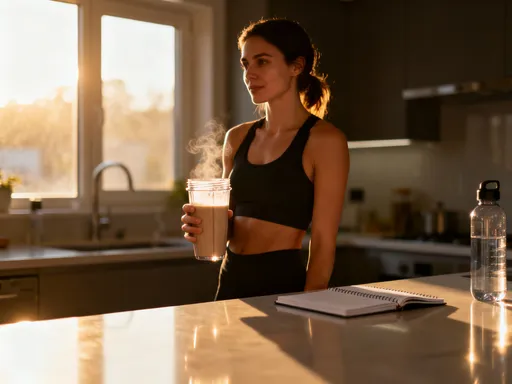
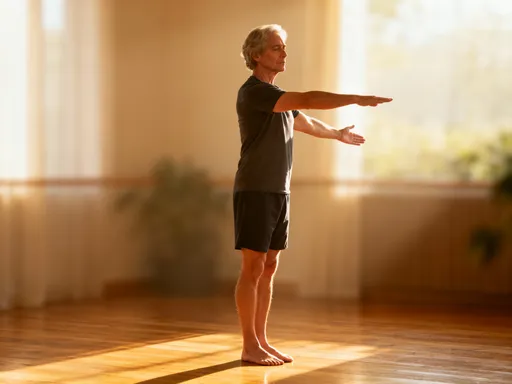
Why Your Workout Might Be the Secret to Healthier Hair
You’ve probably never linked your sweat sessions to your hair’s shine—but what if I told you they’re more connected than you think? Stress, blood flow, hormone balance—exercise quietly influences all of it. After months of testing routines and tracking changes, I noticed my hair felt stronger, looked fuller, and even grew faster. No magic products, just movement. Let me break down how the right kind of workout can become your scalp’s best friend—naturally, effectively, and without any shortcuts.
The Hair-Growth Puzzle: What We’re Missing
Hair concerns such as thinning, lack of shine, and slow growth affect millions of women, especially during life transitions like perimenopause, post-pregnancy, or periods of high stress. Many turn to serums, supplements, or salon treatments in search of a solution. While these can play a supportive role, they often address only the surface. The real foundation of healthy hair lies deeper—in the body’s internal environment. Each strand emerges from a follicle, a living structure that depends on a steady supply of nutrients, balanced hormones, and minimal inflammation to function properly. When internal systems are off-kilter, no topical product can fully compensate.
One of the most overlooked factors in hair health is lifestyle. Diet, sleep, and physical activity shape the biological terrain where hair either thrives or struggles. Among these, exercise stands out as a powerful yet underutilized tool. Unlike invasive procedures or costly treatments, physical activity works at the systemic level—improving circulation, regulating stress hormones, and supporting metabolic balance. These changes create optimal conditions for follicles to enter and remain in the growth phase, known as anagen. Without this internal support, even the most expensive hair oils may fall short.
The connection between fitness and follicles is not merely anecdotal. Dermatologists and trichologists increasingly recognize the role of overall wellness in managing hair loss and improving texture. Inflammation, poor circulation, and hormonal imbalances are all medically acknowledged contributors to hair thinning. Exercise directly targets each of these issues. By viewing hair health through a holistic lens, women can shift from reactive fixes to proactive, sustainable strategies. Movement, in this sense, becomes not just a habit for the body—but a form of nourishment for the hair itself.
How Blood Flow Fuels Your Follicles
At the heart of hair growth is circulation. Each hair follicle is surrounded by tiny blood vessels that deliver oxygen, amino acids, vitamins, and minerals essential for keratin production and cell regeneration. Without adequate blood flow, follicles become undernourished, leading to weaker strands, slower growth, and even premature shedding. This is why scalp health is so closely tied to vascular function. Think of your scalp as a garden—the soil must be rich and well-irrigated for seeds to sprout and flourish. Exercise acts like a natural irrigation system, enhancing microcirculation to the skin and hair roots.
Cardiovascular activities such as brisk walking, cycling, swimming, or light jogging are particularly effective at boosting blood flow. During aerobic exercise, the heart pumps more vigorously, increasing circulation throughout the body—including the scalp. Studies have shown that even moderate-intensity exercise can improve endothelial function, which refers to the health of blood vessel linings. Healthier vessels mean better delivery of nutrients and more efficient removal of waste products that can impair follicle function. Over time, this enhanced circulation supports thicker, stronger hair with improved resilience.
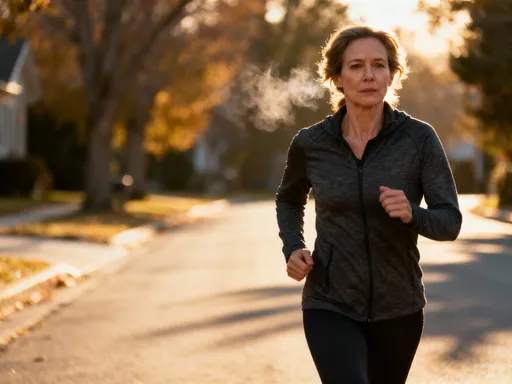
The good news is that you don’t need intense workouts to reap these benefits. Just 20 to 30 minutes of moderate cardio most days of the week can make a meaningful difference. For women balancing busy schedules, a morning walk while listening to a podcast or an evening bike ride with family can be both enjoyable and effective. The key is consistency. Short, regular sessions are more beneficial than occasional high-intensity bursts, which may actually increase stress if overdone. Gradual, steady movement supports long-term scalp vitality without straining the body.
It’s also important to avoid overtraining, which can have the opposite effect. Excessive exercise without adequate recovery may lead to oxidative stress and inflammation, both of which can negatively impact hair. The goal is not to push limits but to promote balance. By choosing activities that feel energizing rather than draining, women can support circulation in a way that benefits both body and hair. Over weeks and months, many notice not only improved stamina and mood but also a visible difference in hair texture and growth rate—a quiet yet powerful reward for showing up consistently.
Stress, Cortisol, and Your Strand Strength
Chronic stress is one of the most common yet underestimated triggers of hair shedding. When the body experiences prolonged psychological or physical pressure, it responds by releasing cortisol, often referred to as the “stress hormone.” While cortisol plays a necessary role in short-term survival responses, elevated levels over time can disrupt numerous bodily functions—including the hair growth cycle. High cortisol has been linked to telogen effluvium, a condition where a significant number of hair follicles shift prematurely into the resting phase, leading to noticeable shedding a few months later. This type of hair loss is often temporary but deeply distressing for those experiencing it.
The good news is that exercise serves as a natural regulator of cortisol. Physical activity helps metabolize excess stress hormones and stimulates the production of endorphins, the body’s feel-good chemicals. Both aerobic and resistance training have been shown to reduce perceived stress and improve emotional resilience. For example, a 30-minute walk can clear the mind, while strength training builds not only muscle but also mental fortitude. Over time, regular movement helps recalibrate the body’s stress response, making it less reactive to daily pressures. This hormonal balance creates a more favorable environment for sustained hair growth.
However, not all exercise routines are equally effective for stress management. High-intensity workouts, while beneficial in moderation, can increase cortisol if performed too frequently or without proper recovery. For women already dealing with stress-related hair concerns, a balanced approach is key. Combining moderate cardio with strength training and mind-body practices such as yoga or Pilates offers a comprehensive strategy. These activities support physical health while also promoting relaxation and mental clarity. Practicing yoga, for instance, has been shown to lower cortisol levels and improve sleep quality—both of which contribute to healthier hair.
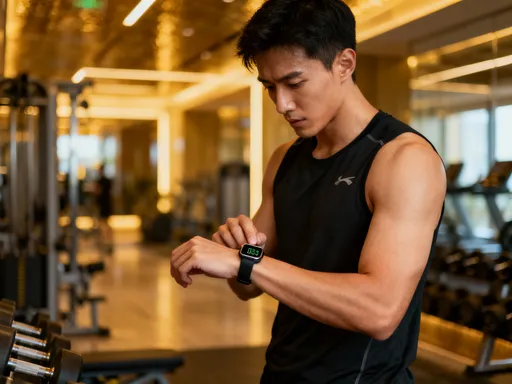
A sample routine might include three days of strength training, two days of brisk walking or cycling, and one or two sessions of gentle stretching or yoga. This mix supports hormonal stability without overtaxing the body. The focus should be on sustainability and enjoyment, not intensity. When exercise feels like a form of self-care rather than a chore, it becomes easier to maintain. As stress levels decline, many women report not only improved mood and energy but also a reduction in hair shedding—a clear sign that the body is returning to balance.
Hormonal Harmony Through Movement
Beyond stress regulation, exercise plays a crucial role in maintaining hormonal balance, which directly affects hair health. Hormones such as insulin, estrogen, progesterone, and testosterone all influence the hair growth cycle. Imbalances—whether due to aging, metabolic changes, or lifestyle factors—can lead to thinning, especially in the frontal and crown areas. Insulin resistance, for example, is increasingly recognized as a contributor to hair loss in women. When cells become less responsive to insulin, it can trigger inflammation and disrupt the normal function of hair follicles. Regular physical activity improves insulin sensitivity, helping the body use glucose more efficiently and reducing systemic inflammation.
Strength training, in particular, has a profound impact on metabolic health. Lifting weights or performing bodyweight exercises increases muscle mass, and muscle tissue is highly effective at absorbing glucose from the bloodstream. This means that consistent resistance training can help stabilize blood sugar levels and reduce the risk of insulin-related hair issues. Additionally, full-body workouts that engage multiple muscle groups—such as squats, lunges, push-ups, and rows—trigger a favorable hormonal response, including increased growth hormone and balanced sex hormone metabolism. These changes support not only hair but overall vitality.
The benefits of exercise on hormone regulation are cumulative. Unlike quick fixes, which may offer temporary results, steady, long-term movement creates lasting physiological shifts. Women in their 30s, 40s, and 50s often face changing hormone levels due to natural life stages. During these transitions, maintaining a consistent fitness routine can help smooth the shift and minimize associated hair changes. It’s not about achieving a certain look or weight—it’s about supporting the body’s internal rhythm so that hair can continue to grow with strength and resilience.
Importantly, the type of exercise matters less than the consistency. Whether it’s dancing at home, taking fitness classes, or following online workout videos, the key is regular engagement. The goal is to move in ways that feel sustainable and enjoyable, ensuring that fitness becomes a lifelong habit rather than a short-term effort. When movement is woven into daily life, it becomes a silent guardian of hormonal health—one that works behind the scenes to protect both body and hair.
Sweat Smart: What to Do Before, During, and After
One common concern among women is whether sweat from workouts can harm the scalp. Some worry that perspiration might clog pores, lead to buildup, or cause irritation. While sweat itself is mostly water and electrolytes, it can mix with sebum (natural scalp oil) and dirt, potentially creating an environment where bacteria thrive if left unwashed for extended periods. However, this does not mean sweating is bad for hair—in fact, it’s a sign that the body is detoxifying and regulating temperature. The key is proper hygiene and smart habits before, during, and after exercise.
Before working out, it’s helpful to protect the hair. If you have long hair, wear it in a loose braid or low ponytail to minimize friction and breakage. Avoid tight elastics that can pull on the roots. A breathable cotton headband can help keep hair off the face while allowing sweat to evaporate. If you’re using styling products, opt for lightweight formulas that won’t mix with sweat and create buildup. Dry shampoo can be used beforehand to absorb excess oil, but it should be washed out afterward to prevent residue.
During the workout, listen to your body. If you feel overheated or excessively sweaty, take breaks and hydrate. Staying well-hydrated supports both physical performance and scalp health, as dehydration can lead to dry skin and flakiness. After exercise, it’s best not to leave sweat on the scalp for hours. If you’ve had an intense session, a simple rinse with water can remove salt and impurities without stripping natural oils. For those with oily scalps or who wear heavy products, a gentle shampoo every few days is sufficient—overwashing can disrupt the scalp’s pH and lead to increased oil production.
Post-workout care should be about balance. There’s no need to wash hair after every single workout unless it feels uncomfortable. A quick rinse or co-washing (using conditioner only) can be enough on lighter days. Follow with a nourishing conditioner from mid-length to ends to maintain moisture. For those with curly or textured hair, a leave-in conditioner or light oil can help restore hydration. The goal is to support cleanliness without over-drying—because a healthy scalp, not a stripped one, is the foundation of strong hair.
Finding Your Hair-Healthy Routine
Building a fitness routine that supports hair health doesn’t require drastic changes. The most effective plans are those that can be sustained over time without causing burnout. A balanced weekly schedule might include three days of strength training, two days of moderate cardio, and one or two days of flexibility or recovery work such as stretching, walking, or yoga. This combination addresses circulation, hormone balance, and stress—all critical factors for hair growth—while minimizing the risk of overexertion.
For example, a sample week could look like this: Monday, a 30-minute full-body strength session using dumbbells or resistance bands; Tuesday, a 25-minute brisk walk or light cycling; Wednesday, a yoga or Pilates class; Thursday, another strength workout focusing on different muscle groups; Friday, a longer walk or dance-based cardio; Saturday, active recovery with gentle stretching; and Sunday, rest or a leisurely activity like gardening or swimming. This structure provides variety, prevents monotony, and allows the body to recover—essential for long-term success.
Individual needs vary, and it’s important to listen to your body. Some women may thrive with more activity, while others do better with gentler pacing—especially if recovering from illness, stress, or hormonal shifts. The goal is progress, not perfection. Starting with just 15 to 20 minutes a day can lead to meaningful changes over time. Gradually increasing duration and intensity ensures that fitness becomes a sustainable habit rather than a source of pressure.
Avoid extreme regimens such as daily high-intensity interval training (HIIT) without rest days, as these can elevate cortisol and increase physical stress. Similarly, overly restrictive diets combined with excessive exercise may lead to nutrient deficiencies, which can negatively affect hair. The aim is harmony—movement that energizes rather than exhausts. When fitness feels supportive rather than punishing, it becomes easier to stick with, and the benefits extend far beyond appearance. Healthier hair is just one visible sign of a body functioning at its best.
Beyond the Gym: Lifestyle Synergy for Lasting Results
While exercise is a powerful tool, it works best as part of a broader wellness strategy. Hair health is influenced by a combination of factors, including sleep, nutrition, hydration, and emotional well-being. Physical activity enhances all of these. Regular movement improves sleep quality by helping regulate circadian rhythms and reducing nighttime anxiety. Better sleep, in turn, supports tissue repair and hormone balance—both vital for hair growth. Women who exercise consistently often report falling asleep faster and waking up feeling more refreshed, creating a positive feedback loop for overall health.
Nutrition also plays a central role. Exercise increases blood flow to the digestive system, which may improve nutrient absorption. This means that when you eat protein-rich foods, iron, zinc, biotin, and omega-3 fatty acids, your body is better equipped to deliver these essentials to hair follicles. Staying hydrated is equally important—water supports cellular function and helps flush out toxins. A woman who moves regularly and drinks plenty of water creates an internal environment where hair can grow strong and resilient.
Mental well-being is another key piece. The confidence and sense of accomplishment that come from regular physical activity can shift how a woman feels about her body and appearance. This emotional uplift often translates into better self-care habits, including more attention to hair and skin. When movement is approached with kindness and consistency, it fosters a deeper connection between mind and body—one that radiates outward in visible ways.
Exercise is not a cure-all, but it is a cornerstone of holistic health. It doesn’t promise overnight transformations, but it does offer steady, science-backed support for the systems that sustain hair growth. By improving circulation, calming stress, and balancing hormones, regular activity lays the groundwork for stronger, shinier, and more vibrant hair. The results may take weeks or months to become visible, but they are real and lasting—because they come from within.
Start where you are. You don’t need expensive equipment or a gym membership. A pair of comfortable shoes and a willingness to move are enough. Let each step, stretch, or lift be an act of care—for your body, your mind, and your hair. Over time, the changes you make today will show not just in how you feel, but in how you look. Your hair can become a reflection of the health you’re building, one mindful movement at a time.